
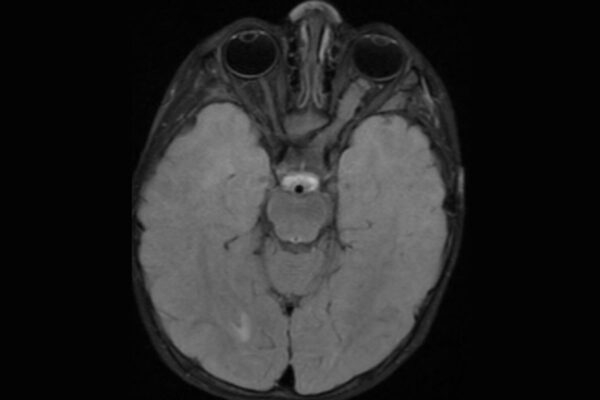
Epilepsy drug prevents brain tumors in mice with NF1
Researchers at Washington University School of Medicine have discovered that an FDA-approved epilepsy drug can prevent or slow the growth of NF1-linked optic gliomas in mice, laying the groundwork for a clinical trial.
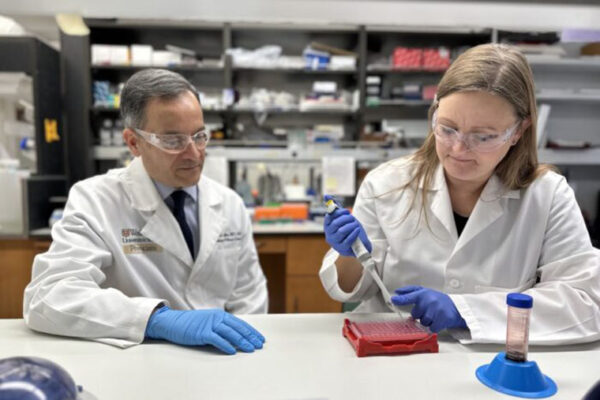
Apte honored with macular degeneration award
Rajendra S. Apte, MD, PhD, the Paul A. Cibis Distinguished Professor and vice chair of innovation and translation in the John F. Hardesty, MD, Department of Ophthalmology & Visual Sciences at Washington University School of Medicine in St. Louis, has received the 2024 Roger H. Johnson Award.
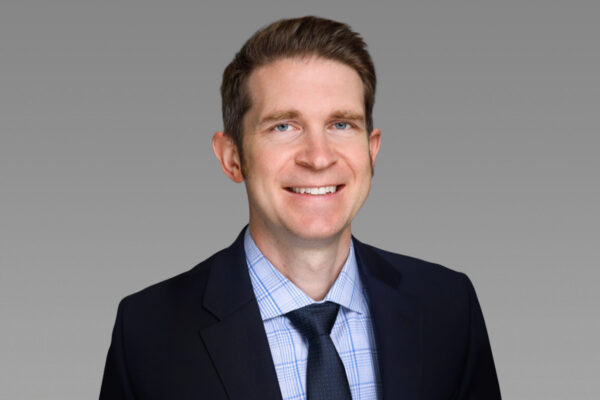
Thompson named director of pediatric neurosurgery
Eric Thompson, MD, a pediatric neurosurgeon noted for his expertise in caring for children with complex neurological conditions, particularly brain and spinal tumors, has been named director of the Division of Pediatric Neurosurgery at Washington University School of Medicine in St. Louis and neurosurgeon-in-chief at St. Louis Children’s Hospital.
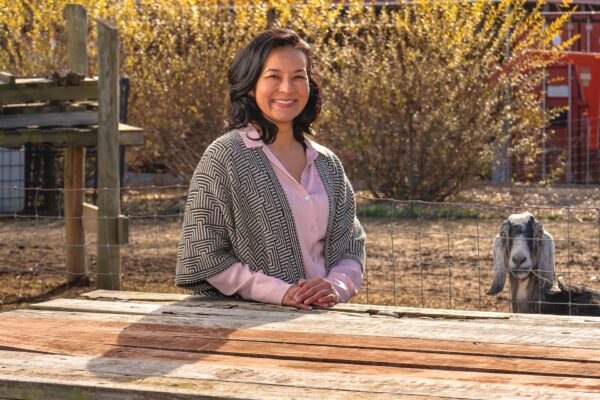
Planting and cultivating seeds through connection
In her work with local organizations to promote health and wellness in the St. Louis region, Diana Parra Perez sees the power of solidarity.
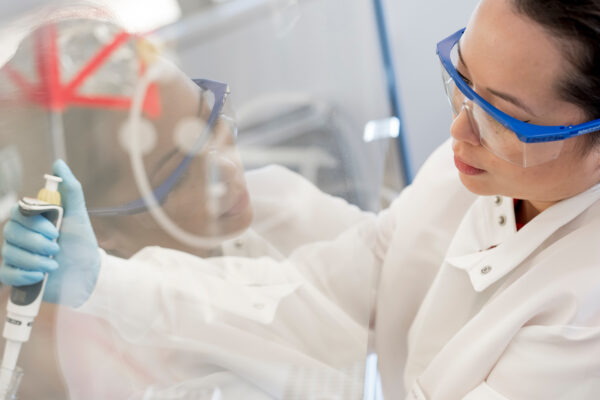
Women deserve better health care. Engineers can help.
Pressure. Contraction. Pushing. Rupture. For many, these words point to the experience of labor and childbirth. For Michelle Oyen, something else also comes to mind. “These are all very clearly engineering words that have to do with physical forces,” says Oyen, associate professor of biomedical engineering in the McKelvey School of Engineering. “We’ve been treating […]
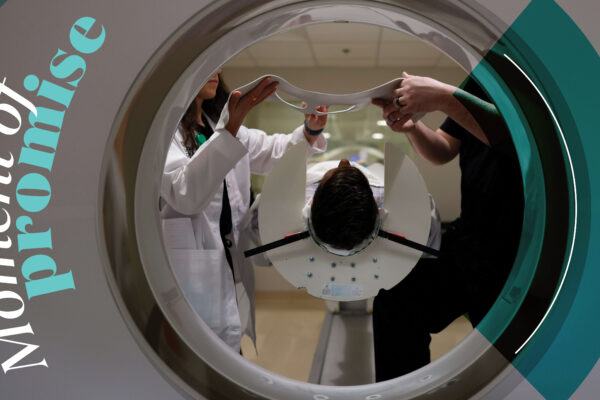
Moment of promise
Washington University is known the world over for being a leader in neuroscience research. And the university underscored its commitment to the neurosciences by building an 11-story hub on the Medical Campus that enables researchers to work more collaboratively and creatively. The goal: to accelerate the translation of science into treatments to help those living with neurodegenerative diseases.
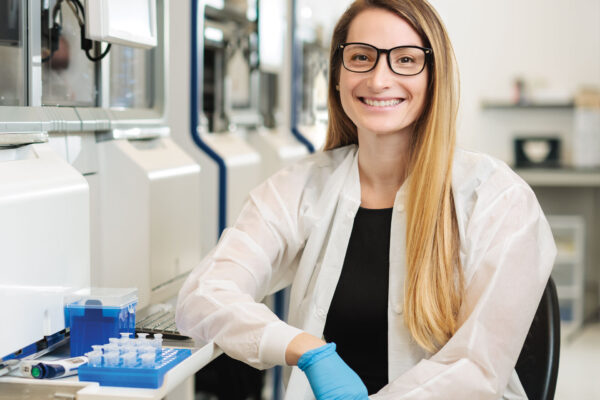
Next-gen testing
Erica Barnell co-founded the life sciences company Geneoscopy to develop innovative diagnostics and transform gastrointestinal health.

Navigate the neurosciences at WashU Medicine
Explore the extensive scope of neuroscience research ongoing at WashU Medicine.

The next era of neuroscience research
WashU dedicates the new Jeffrey T. Fort Neuroscience Research Building.
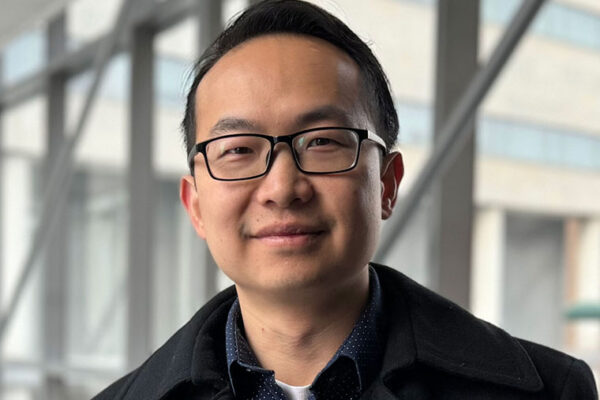
Ding receives Michelson Prize for advancing human immunology
Siyuan Ding, an assistant professor of molecular microbiology at Washington University School of Medicine in St. Louis, has received a Michelson Prize: Next Generation Grant from the Michelson Medical Research Foundation and the Human Immunome Project.
Older Stories