
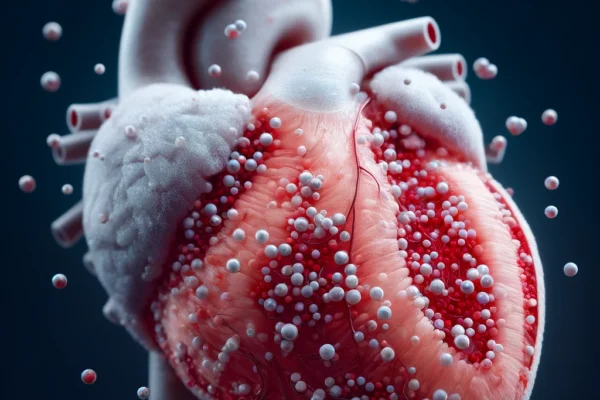
Smart nanoparticles may be able to deliver drugs to heart after heart attack
Jianjun Guan, a materials scientist in the McKelvey School of Engineering at Washington University in St. Louis, received a four-year more than $2 million grant from the National Institutes of Health (NIH) to design a system of nanoparticles that deliver drugs after a heart attack much more effectively than current methods allow.
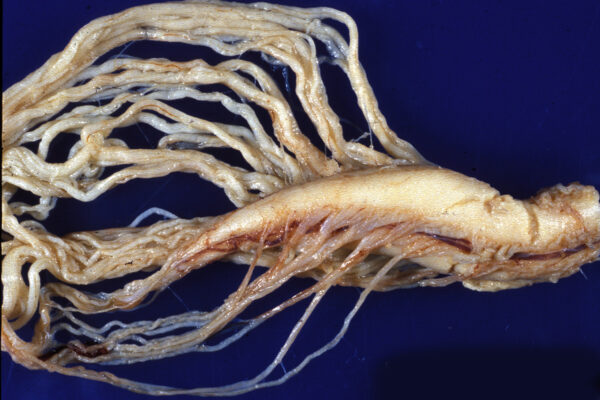
Atlas with annotated neuropathology images launched
Robert Schmidt, MD, PhD, a professor of pathology and immunology at Washington University School of Medicine in St. Louis, has curated a collection of over 33,000 individually annotated neuropathology images that are now available as a resource to the Washington University and international neuroscience community via a newly launched website.
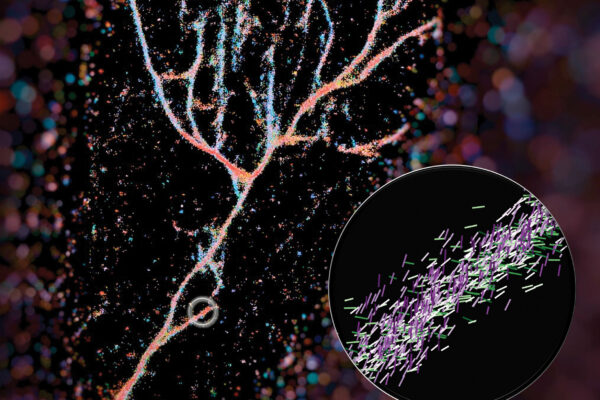
Imaging technique shows new details of peptide structures
In a paper published in ACS Nano, researchers at Washington University in St. Louis outline how they used a chemical probe to light up interlocking peptides. Their technique will help scientists differentiate synthetic peptides from toxic types found in Alzheimer’s disease.

Role of dust on indoor environmental air quality gets closer look
Jenna Ditto, an assistant professor of energy, environmental and chemical engineering in the McKelvey School of Engineering at Washington University, is taking a closer look at the chemistry of indoor dust with a three-year $453,000 grant from the National Science Foundation.

Mahmoud honored by American Heart Association
Zainab Mahmoud, MD, an instructor in medicine at Washington University School of Medicine in St. Louis, has been awarded the Dr. Nanette K. Wenger Research Goes Red Award from the American Heart Association.
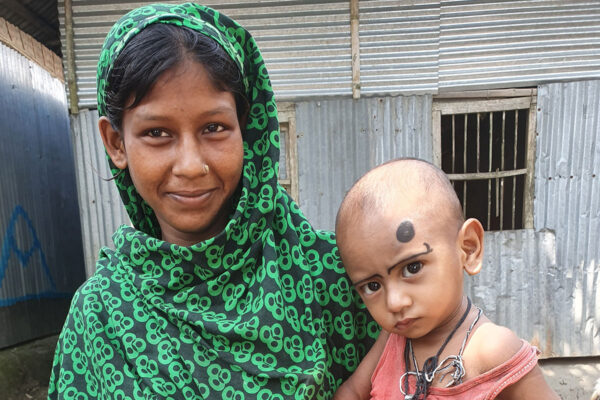
International trials underway for childhood malnutrition therapy developed at WashU
A microbiome-directed food developed at Washington University School of Medicine in St. Louis is now being evaluated in major randomized controlled trials. The food is designed to nurture beneficial gut microbes and treat childhood malnutrition.
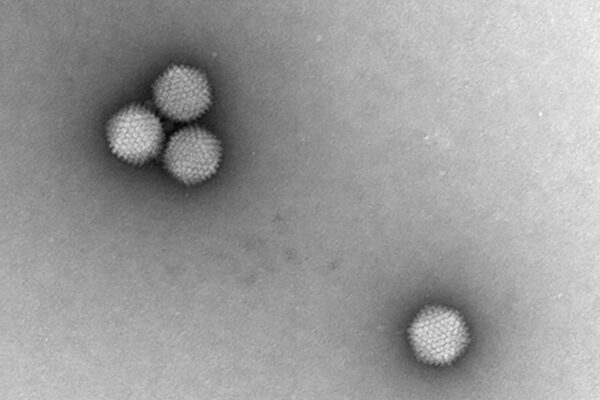
$6.2 million to help develop gene therapy for HIV
Researchers at Washington University School of Medicine in St. Louis have received a $6.2 million grant from the National Institutes of Health (NIH) to develop a gene therapy that would modify the immune system’s B cells to spur them to produce broadly neutralizing antibodies against HIV.
Nine WashU faculty elected to AAAS
Nine faculty members at Washington University in St. Louis are among the 502 new fellows selected by the American Association for the Advancement of Science, one of the most distinct honors in the scientific community.
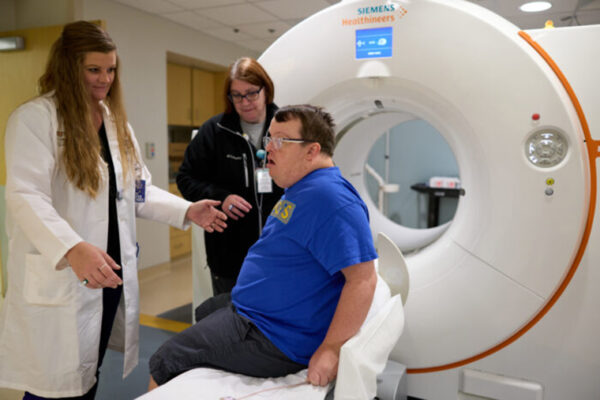
Alzheimer’s disease progresses faster in people with Down syndrome
A new study by researchers at Washington University School of Medicine in St. Louis shows that Alzheimer’s disease both starts earlier and moves faster in people with Down syndrome. The finding may have important implications for the treatment and care of this vulnerable group of patients.
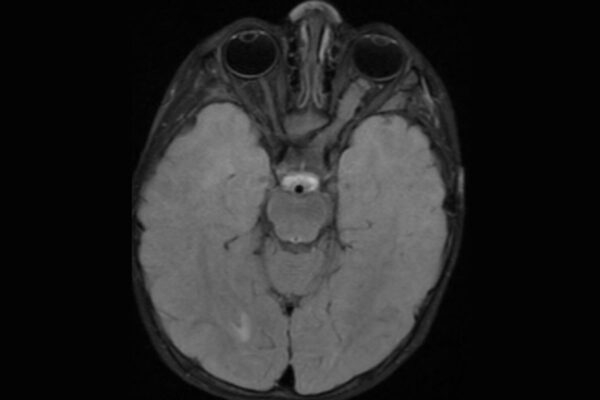
Epilepsy drug prevents brain tumors in mice with NF1
Researchers at Washington University School of Medicine have discovered that an FDA-approved epilepsy drug can prevent or slow the growth of NF1-linked optic gliomas in mice, laying the groundwork for a clinical trial.
Older Stories